
Built to Stay Consistent. Designed to Evolve.
A visual identity shouldn’t fall apart the moment it leaves the original design.
I approach design systems as a way of creating enough structure for an idea to grow — defining the visual rules, components and behaviors that allow a brand to move consistently across different formats, platforms and teams.
Sometimes that means building an identity from the ground up. Other times, it means understanding an existing one deeply enough to extend it without losing what makes it recognizable.
The goal isn’t to make everything look the same. It’s to make everything feel like it belongs together.
Building a Language from Scratch
Chilango Loops gave me the opportunity to think about a visual system from its foundations: identity, typography, color, iconography, graphic elements, imagery and tone of voice.
The challenge wasn’t simply designing a logo or a brandbook. It was creating a flexible language capable of moving between events, social content, posters, digital communication, merchandise and the evolving culture around the project.



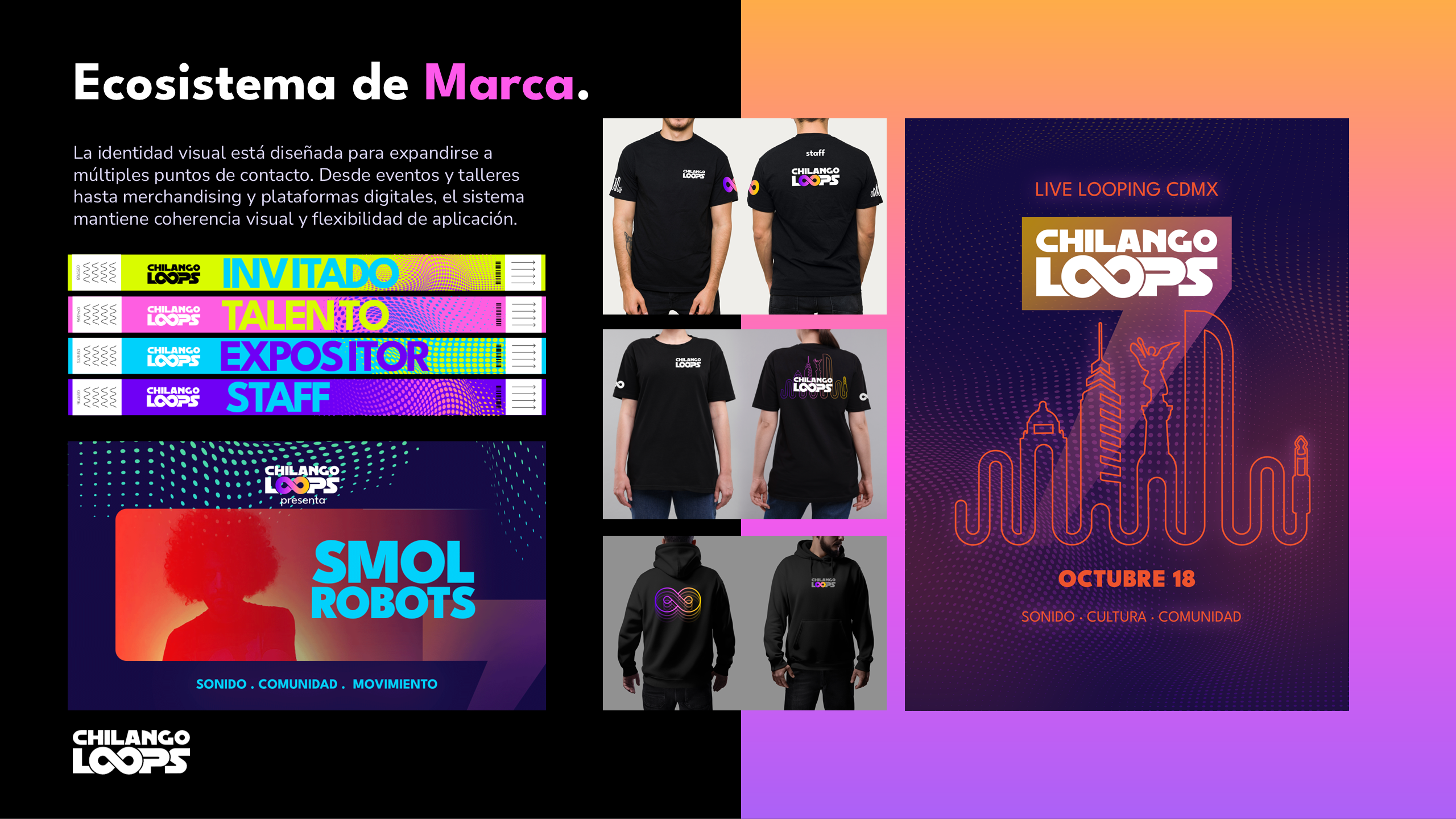

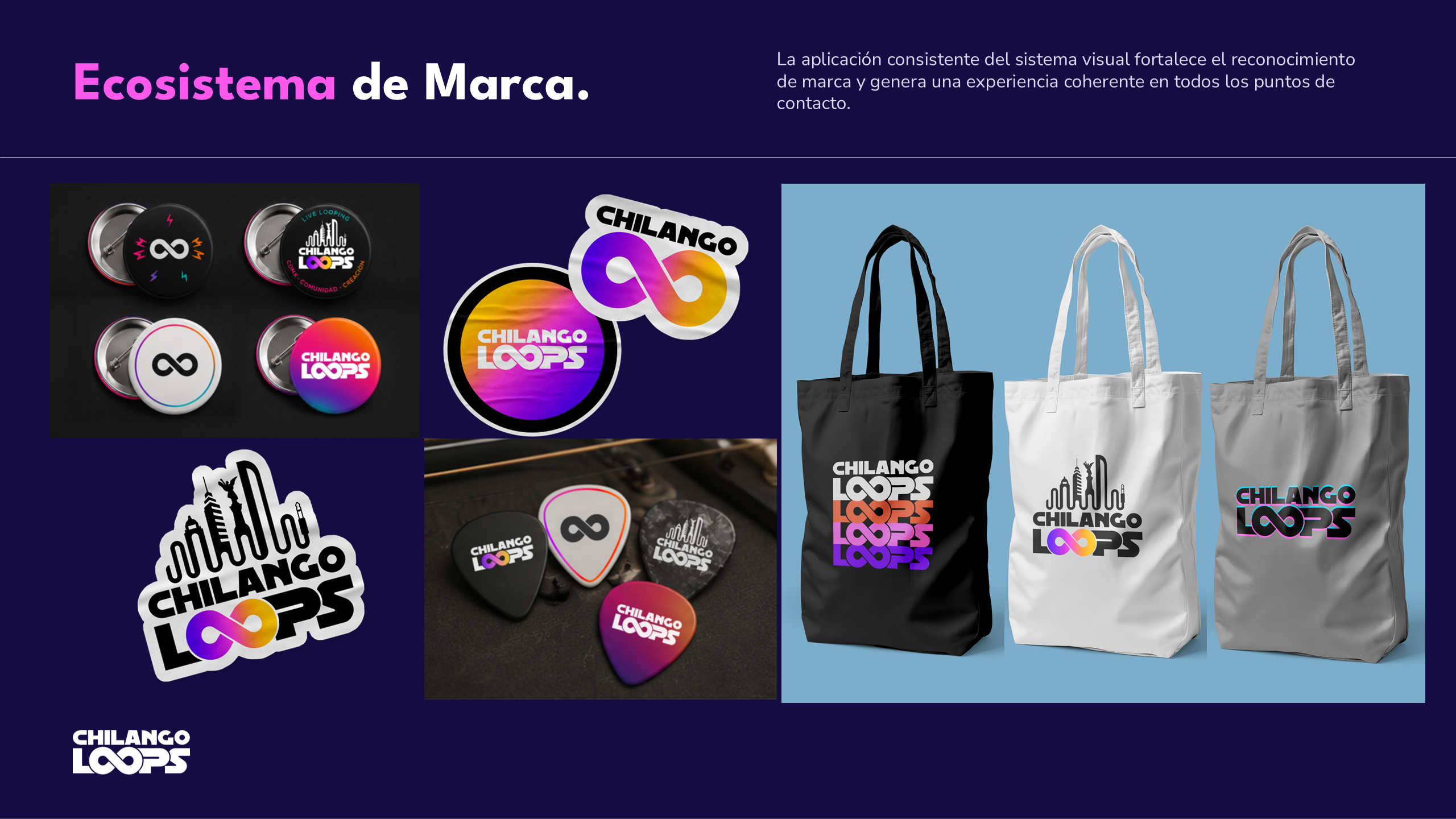


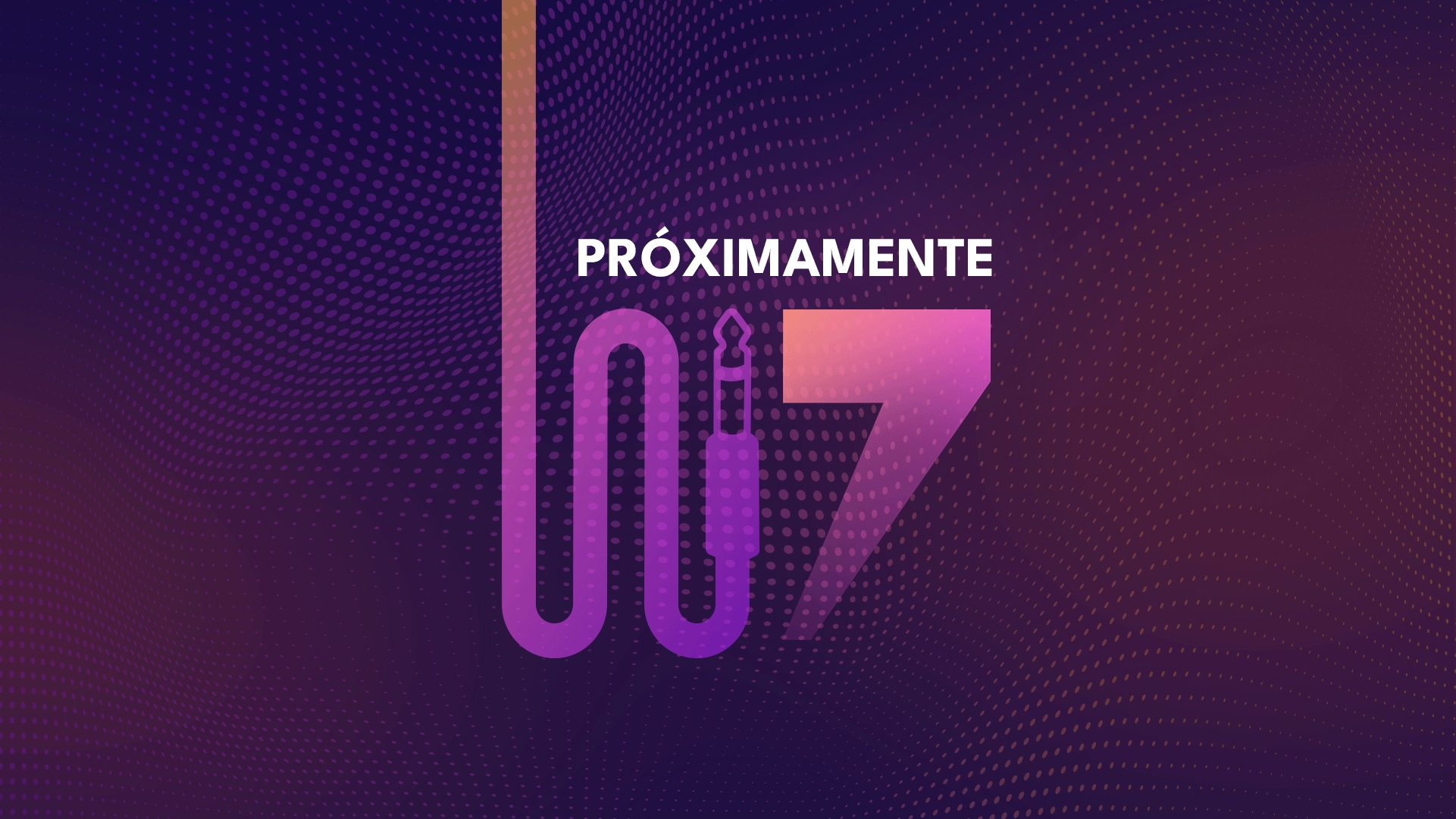




Brand Identity · Art Direction · Brand Guidelines · Iconography · Visual Language · Social · Digital
Turning Identity into Experience
Chilango Loops gave me the opportunity to think about a visual system from its foundations: identity, typography, color, iconography, graphic elements, imagery and tone of voice.
The challenge wasn’t simply designing a logo or a brandbook. It was creating a flexible language capable of moving between events, social content, posters, digital communication, merchandise and the evolving culture around the project.
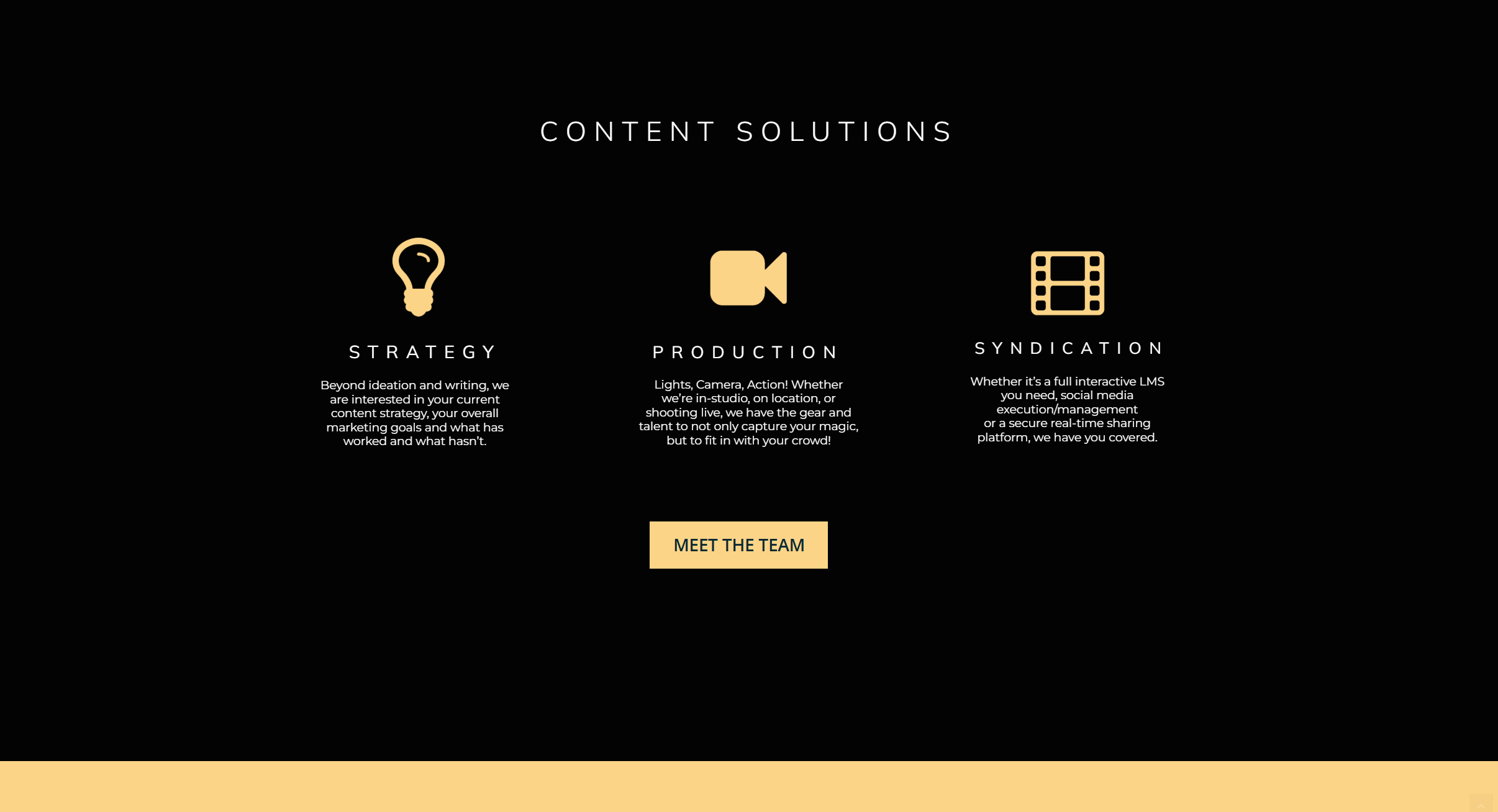
Web Design · Visual Direction · UI · Typography · Digital Experience
From Identity to Application
A good system should provide direction without becoming a constraint.
Whether I’m building one from scratch or working inside an established brand, I’m interested in finding the balance between consistency and flexibility — creating rules strong enough to make the work recognizable, but open enough to keep it alive.
Build the rules. Understand when to use them. Know when they can bend.